The Evidence Problem: How to Track and Reference Security Documentation Effectively
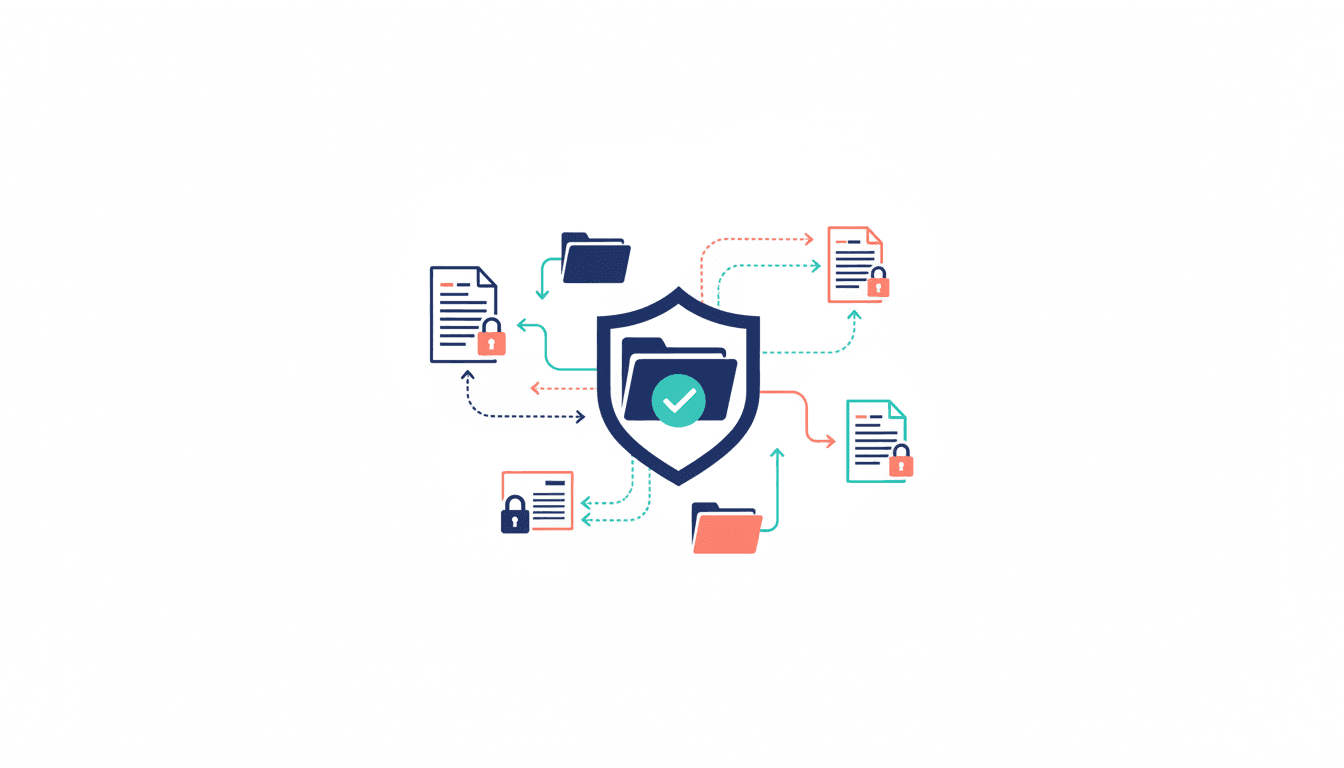
In the realm of compliance, managing security documentation can be a significant challenge. Compliance officers often struggle with organising, tracking, and referencing vast amounts of evidence needed to satisfy audits. When documentation isn’t tracked accurately, audit readiness suffers, leading to delays, increased workloads, or even compliance failures. Security assessment questionnaires play a key role in gathering evidence, but without effective management, the process becomes cumbersome and error-prone.
Understanding the Evidence Problem in Security Documentation
One of the main difficulties compliance teams encounter is maintaining order among the numerous pieces of security evidence collected during assessments. Documents can be duplicated, misplaced, or become outdated, making retrieval and verification a taxing task. Incomplete or poorly tracked evidence can lead to audit surprises and extended review cycles. Security assessment questionnaires are essential tools for collecting information, but they rely heavily on solid evidence management practices to be effective.
Security assessment questionnaires are essential tools for collecting information, but they rely heavily on solid evidence management practices to be effective.
Key Principles for Effective Security Documentation Tracking
To tackle these challenges, it’s crucial to establish clear documentation standards and naming conventions. This ensures everyone on your team stores and labels evidence consistently. Centralising storage—using a single, secure repository or document management system—makes it easier to retrieve evidence and control document versions. Equally important is maintaining traceability by recording audit trails for all documents. Knowing who accessed or modified a document and when contributes to accountability and smooth audits.
Key Principles for Effective Security Documentation Tracking
To tackle these challenges, it’s crucial to establish clear documentation standards and naming conventions.
Selecting the Right Tools to Automate Evidence Tracking
Automating your evidence tracking process with specialised SaaS platforms can save time and reduce errors. Look for tools that integrate with your existing compliance systems, provide strong search capabilities, and generate compliance reports automatically. Automation limits manual data entry, ensuring consistency and reducing the risk of lost or misplaced documents. Additionally, some AI-powered solutions can assist in identifying, indexing, and linking relevant evidence, streamlining your workflow further. For example, askDidier.ai offers an AI-driven platform that automates questionnaire completion and helps manage supporting documentation, easing the burden of compliance evidence gathering.
ai offers an AI-driven platform that automates questionnaire completion and helps manage supporting documentation, easing the burden of compliance evidence gathering.
Best Practices to Reference Security Documents in Assessments
Linking evidence directly to questionnaire items makes reviews much more efficient. Use metadata and tagging to categorise documents by type, date, or control area, simplifying searches and cross-referencing. Keep your references up to date as policies and controls evolve, so that you never rely on outdated evidence. Clear documentation of these links also supports audit transparency, allowing reviewers quick access to exactly what they need for verification.
Keep your references up to date as policies and controls evolve, so that you never rely on outdated evidence.
Real-World Example: Streamlining Evidence Management in a Compliance Team
Consider a compliance team at a mid-sized firm that struggled with scattered documentation and long audit cycles. By implementing structured tracking standards, centralising evidence storage, and using automation tools, they improved accuracy and retrieval speed. This transformation resulted in a 30% reduction in audit preparation time and more reliable evidence referencing, significantly enhancing the team’s overall efficiency and confidence during assessments.
By implementing structured tracking standards, centralising evidence storage, and using automation tools, they improved accuracy and retrieval speed.
Addressing Common Pitfalls and How to Avoid Them
Common pitfalls include document duplication leading to version confusion, which can be avoided by enforcing strict version control policies. It is also vital to prevent lost or inaccessible evidence by using secure, centralised repositories and regular backups. Lastly, resistance to new tracking processes can slow adoption; engaging your team early, providing training, and demonstrating clear benefits help overcome these challenges.
It is also vital to prevent lost or inaccessible evidence by using secure, centralised repositories and regular backups.
Future Trends: The Evolving Landscape of Security Evidence Management
Emerging technologies such as AI-driven document classification and intelligent search are shaping the future of evidence management. Greater interoperability between compliance tools is making data exchange seamless, reducing silos and manual effort. Meanwhile, regulatory changes continue to tighten evidence tracking requirements, making robust, adaptive solutions essential for staying compliant.
Effective tracking of security documentation is a continuous process that demands clear standards, appropriate tools, and engaged teams. By adopting automation judiciously and applying best practices for referencing and organisation, you can streamline compliance workflows and improve audit readiness significantly.
Meanwhile, regulatory changes continue to tighten evidence tracking requirements, making robust, adaptive solutions essential for staying compliant.
Try askDidier.ai for Free for 14 Days
If you’re looking to reduce the time your team spends on security questionnaires, askDidier.ai offers a free 14-day trial with no credit card required. See how AI-powered automation can transform weeks of questionnaire work into just hours.